


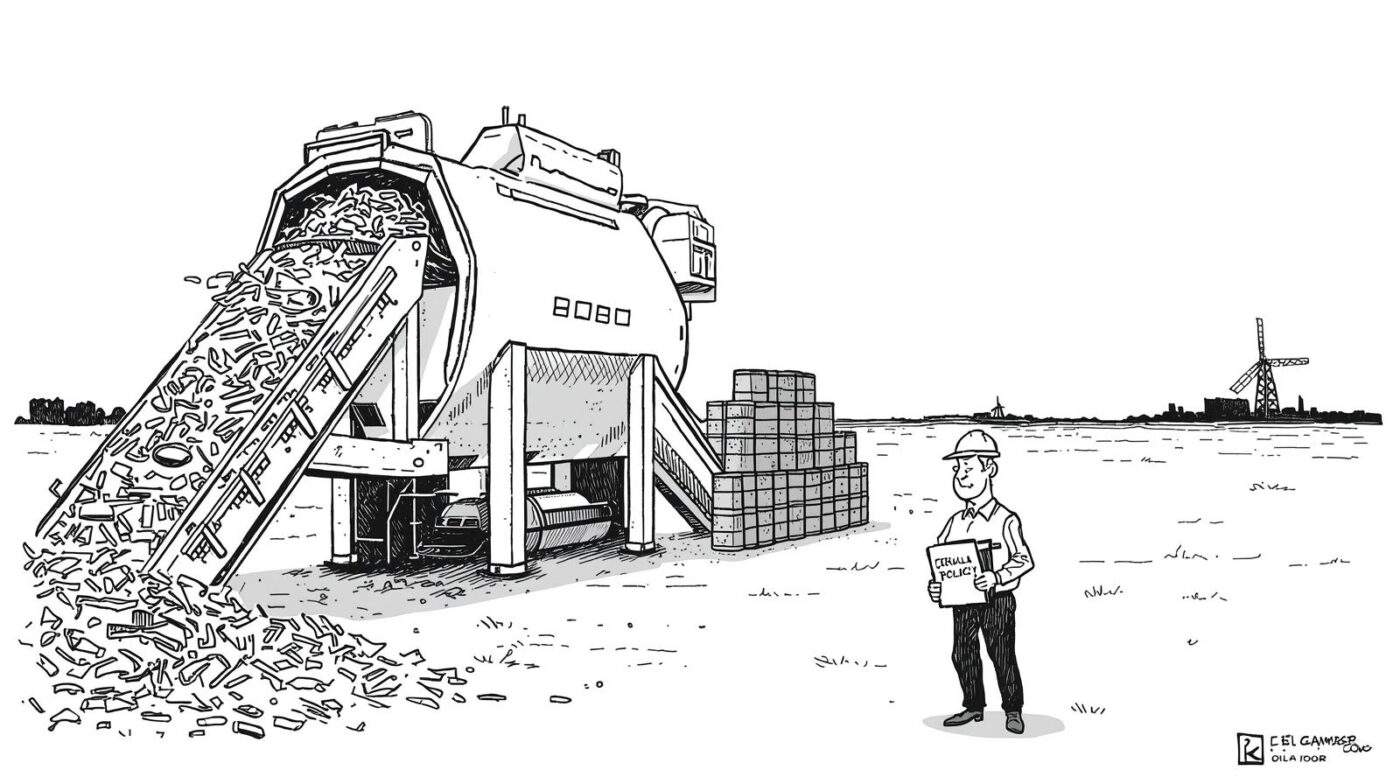

Aduro picked the Netherlands for its industrial-scale chemical recycling facility. The company evaluated several European sites before choosing this location.
The facility converts hard-to-recycle plastics into chemical feedstocks and synthetic crude oil. Aduro is moving from pilot operations to full commercial production.
Infrastructure, regulatory clarity, and access to European markets drove the choice. The country’s circular economy policies played a role here.
Chemical recycling tackles plastic waste you won’t find in standard recycling bins. The technology processes contaminated or mixed materials that usually end up in landfills or incinerators.
Several European nations built frameworks to support waste-to-value technologies. Clear regulations and renewable energy infrastructure pull in foreign investment.
The scale-up phase provides real data on commercial viability. Major petrochemical companies are partnering with recycling tech providers to meet sustainability commitments.
Energy intensity and carbon footprint compared to mechanical recycling stay under debate. The industry still discusses whether chemical recycling counts as genuine recycling or waste-to-energy conversion.
Implementation proceeds according to regulatory requirements.