





The Dutch Public Prosecution Office has released new self-reporting guidance. Loyalty program for corporate misconduct.
Turn yourself in, get 25% off your fine. Cooperate fully during the investigation, get another 25% off.
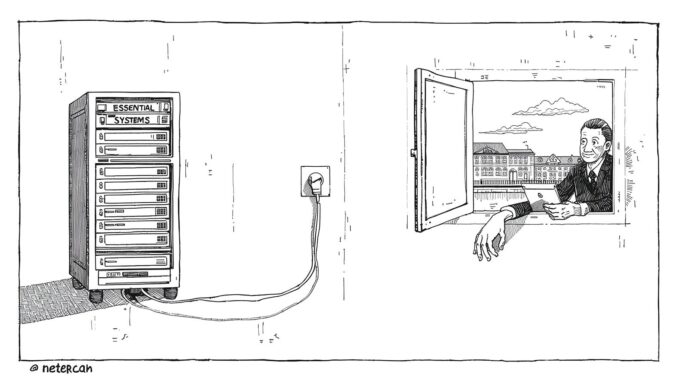
One condition applies. If you investigate internally under legal privilege, then claim privilege over information prosecutors want, you don’t qualify for the discount. The privilege makes your disclosure “too limited.”
You get confidentiality or leniency. The prosecution would prefer you don’t overthink this.
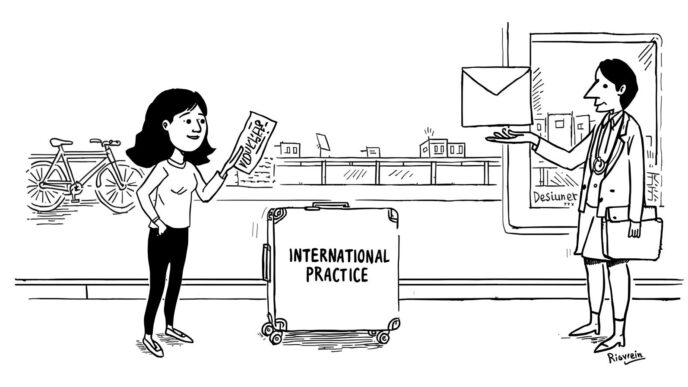
The policy offers anonymous preliminary consultations through your lawyer. You describe the situation. Prosecutors tell you whether the policy applies. If the policy doesn’t apply, nothing from the consultation gets used against you.
This has been filed under “reducing uncertainty.”
Discount Applied to What, Exactly
Fifty percent off sounds generous until you remember the base fine is 10% of your parent company’s consolidated global revenue.
Dutch courts started calculating fines this way in 2024. The subsidiary you carefully structured in a different jurisdiction doesn’t work as intended.
The European Public Prosecutor’s Office opened 1,504 investigations in 2024. Nearly 29% involved multiple countries. The Netherlands wrapped up its first EPPO case in November. Two people paid €230,000 between them.
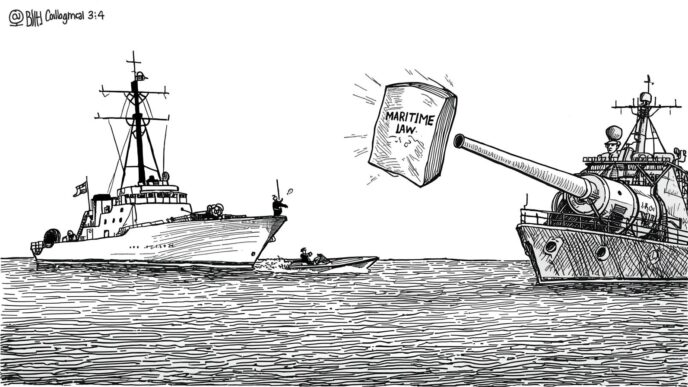
A violation in one jurisdiction qualifies as an invitation to several.
The Logic Is Bulletproof
You discover something. You want to investigate confidentially. You want to self-report for the discount. You want to know if you qualify before committing. You want legal protection and prosecutorial favor simultaneously.
The policy offers privilege protection, cooperation credit, preliminary consultations, and a two-tier discount structure.
You still don’t get all of this at once.
Prosecutors describe this as clarifying the decision framework.