





TL;DR: Venezuela exports €280 million to the Netherlands annually, concentrated in frozen shrimp (35%), methanol (35%), and ferro-products (18%). The Netherlands ranks third in EU imports from Venezuela. Rotterdam’s distribution infrastructure creates service gaps for expat entrepreneurs in trade finance, quality verification, and logistics coordination.
Core opportunities:
• Venezuela dominates 35% of Dutch frozen shrimp imports (€89 million)
• 18% of Venezuelan goods transit through Netherlands to other EU markets
• Service imports remain low at €25 million, revealing infrastructure gaps
• Specialized trade flows create service opportunities generalist businesses miss
• High volatility (€339.7M in 2018 to €68.2M in 2020) proves surviving supply chains are resilient
I spend my time looking at patterns other people ignore. Trade data tells stories that never make headlines. When I pulled the Netherlands-Venezuela import numbers for 2024, I expected oil derivatives, coffee, the standard Latin American export profile.
Wrong.
Venezuela ships €280 million in goods and services to the Netherlands annually. That’s less than 0.03% of total Dutch imports. Most analysts would stop there.
I look at what’s inside the numbers.
What Makes Venezuelan Shrimp Imports Significant?
Venezuela dominates a specific corner of the Dutch market.
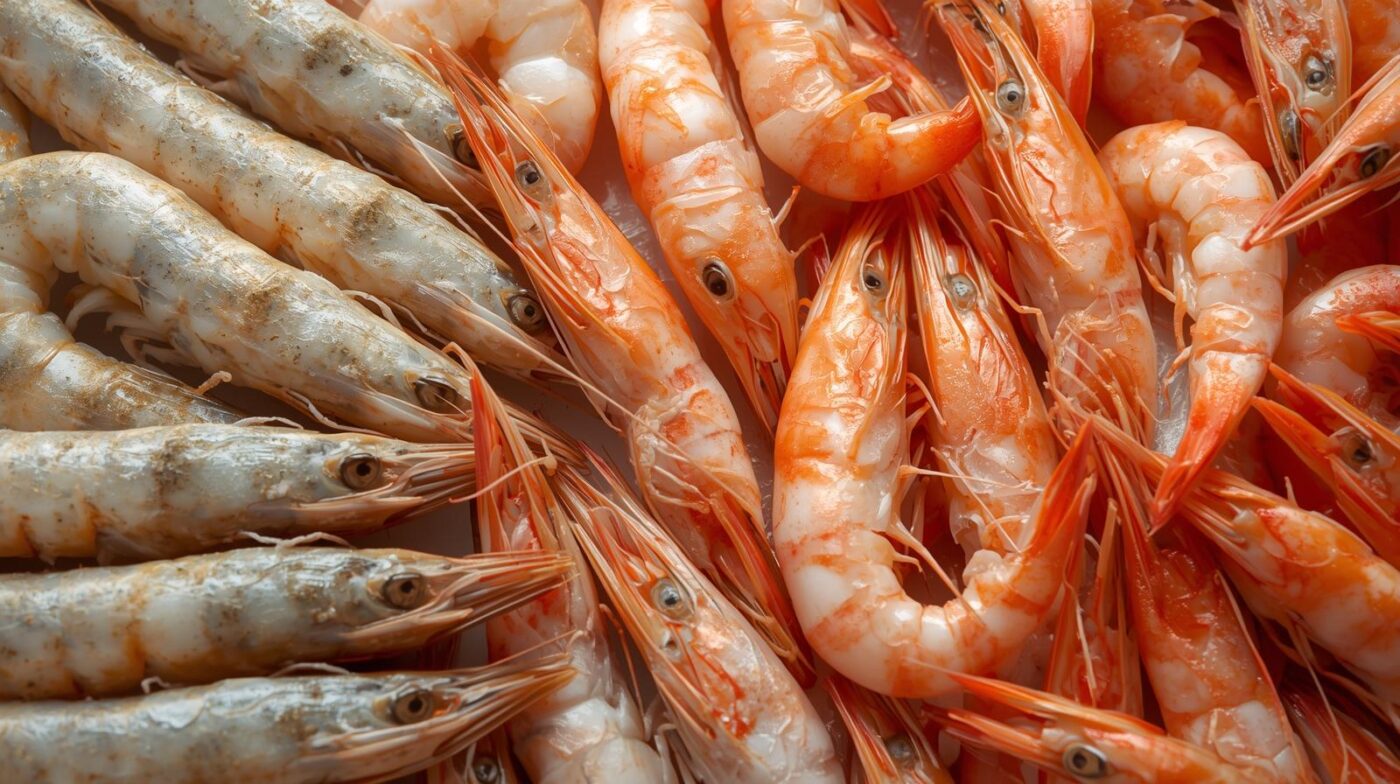
Frozen shrimp and prawns account for 35% of all Venezuelan goods entering the Netherlands. That equals €89 million in 2024. The Netherlands ranks as the third-largest EU importer from Venezuela, behind Spain and Italy.
The concentration reveals something structural. This is specialized supply chain positioning, not diversified trade.
Growth trajectory:
Venezuela ranked among the fastest-growing frozen seawater shrimp exporters since 2020, with an 87.1% increase. That growth happened during Venezuela’s political and economic crisis. While the country struggled with hyperinflation and sanctions, its aquaculture sector carved out competitive positioning in European markets.
In the first half of 2023, imports from Venezuela to the EU jumped 60% year-on-year. Venezuela became the number three supplier to the EU again, overtaking Vietnam.
That’s industrial capability meeting market demand.
Signal: Specialized commodity dominance (35% market concentration) indicates supply chain resilience and competitive advantage worth examining for service gaps.
How Does Rotterdam Infrastructure Create Business Opportunities?
The Netherlands processes and redistributes Venezuelan shrimp, not just imports it for local consumption.
18% of Venezuelan goods immediately transit to other EU countries. The Netherlands functions as a distribution hub, not an end market.
Rotterdam infrastructure:
About 40% of goods imported to Europe get unloaded in Rotterdam. The port consists of five distinct areas and three distribution parks serving over 500 million European consumers.
For expat entrepreneurs, this creates a specific opportunity. You’re positioning for European distribution access, not competing for Dutch market share alone.
Value-added processing:
Venezuela ships considerable volumes of peeled products to reprocessors in the Netherlands and Belgium. These facilities handle cleaning, packaging, and portioning for retail chains.
The opportunity lives in the gap between raw import and retail-ready product.
Signal: Rotterdam’s role as EU distribution gateway means Venezuelan imports serve 500 million consumers, not 17 million Dutch residents. Service businesses that facilitate this flow face less local competition.
What Industrial Materials Does Venezuela Supply?
Shrimp gets attention because it’s tangible. People understand seafood supply chains.
The data reveals something else: methanol and ferro-products account for 35% and 18% of Dutch imports from Venezuela respectively.
Market position:
Venezuela is the primary supplier of ferro-products to the Dutch market. These industrial materials feed manufacturing supply chains across Europe. The concentration in these specific commodities suggests Venezuela developed processing capabilities that competitors haven’t matched at the same price point.
Business characteristics:
Industrial materials create different opportunities than consumer goods for micro and small businesses. Sales cycles are longer. Relationships matter more. Contracts are larger but less frequent.
Service opportunities:
• Documentation and compliance
• Quality verification and certification
• Logistics coordination
• Payment facilitation and trade finance
These services sit between the Venezuelan supplier and the European manufacturer.
Signal: Primary supplier status in ferro-products (18% of imports) means established relationships and proven logistics. Service providers who understand both ends of this supply chain face structural advantages.
What Does Trade Volatility Tell Us About Opportunity?
The trade relationship between the Netherlands and Venezuela shows extreme fluctuation. Imports peaked at €339.7 million in 2018, then collapsed to €68.2 million in 2020.
Three insights from volatility:
1. Surviving supply chains are resilient
They adapted to sanctions, political instability, and pandemic disruptions. The businesses still operating have proven they navigate complexity.
2. Demand remained strong despite constraints
The recovery to €280 million by 2024 indicates European buyers maintained relationships through difficult periods. They want these products enough to work through volatility.
3. Concentration reduces competition
The trade relationship depends on a small number of supply chains. If you position in one of these channels, you face less competition than in diversified trade relationships.
Signal: 80% volatility (€339.7M to €68.2M) followed by recovery proves supply chain resilience. Businesses that survived this period have demonstrated adaptability worth partnering with.
Where Are the Service Gaps in This Trade Corridor?
Service imports from Venezuela remain modest at €25 million in 2024. Financial services dominate at 58% of that total.
Why this gap matters:
When goods trade (€255 million) grows faster than service trade (€25 million), it reveals where infrastructure is weak. The imbalance signals opportunity.
Service opportunities:
• Trade finance and payment processing
• Quality inspection and certification
• Logistics coordination and documentation
• Market intelligence and buyer matching
• Regulatory compliance and customs facilitation
Infrastructure advantage:
The Netherlands ranks as the world’s most connected country according to the DHL Global Connectedness Index. That connectivity creates infrastructure advantages for entrepreneurs who understand how to leverage them.
Signal: Service imports at only 9% of total trade (€25M vs €280M) indicate underdeveloped support infrastructure. Goods flows need services. The gap is where micro businesses find positioning.
How Can Expat Entrepreneurs Use This Pattern?
I’m not suggesting you start importing Venezuelan shrimp tomorrow. That’s not how opportunity works.
The pattern: specialized trade relationships create service gaps that small businesses fill.
The mechanism:
Large commodity flows attract big players who handle volume. They optimize for scale, not customization or flexibility. That optimization creates gaps where smaller businesses provide specialized services.
Services smaller businesses can provide:
• Documentation and compliance support
• Quality verification and inspection
• Niche product sourcing
• Market access facilitation
• Buyer-supplier matching
Your competitive advantage:
You don’t compete on volume. You compete on knowledge, relationships, and flexibility.
If you understand both the Dutch market and the Venezuelan supply landscape, you translate between them. That translation has value.
Signal: Volume players optimize for scale. Micro businesses win by providing flexibility, local knowledge, and relationship management that large traders won’t provide.
What Risks Should You Monitor?
The trade data shows resilience, but it also shows fragility. The volatility between 2015 and 2024 wasn’t random. It reflected sanctions, political instability, and economic collapse.
Required controls for this trade corridor:
• Sanctions compliance monitoring
• Payment risk management
• Supply continuity planning
• Documentation and audit trails
• Relationship diversification
Why risk creates opportunity:
The opportunity exists because the risk exists. If the trade were easy and stable, margins would be compressed and competition would be intense.
Structure is not bureaucracy in this context. Structure is what keeps you operating when volatility returns.
Signal: High-risk trade corridors reward businesses that build controls early. Risk tolerance without control discipline destroys positioning when volatility returns.
Why Specialized Trade Flows Beat High-Volume Markets
I’ve looked at trade data across dozens of country pairs. The pattern repeats: specialized commodity flows create service opportunities that generalist businesses miss.
Where most entrepreneurs look:
Most expat entrepreneurs in the Netherlands look at obvious markets: Germany, Belgium, France. They follow the large trade volumes and try to find gaps in crowded channels.
The smarter approach:
Look at specialized flows where volume is smaller but concentration is higher. Venezuela-Netherlands trade in shrimp, methanol, and ferro-products fits that profile.
You don’t need to handle the commodities yourself. You need to understand the supply chain well enough to provide services that make the flow more efficient, more reliable, or more accessible to smaller buyers.
The proof:
• 87% growth in Venezuelan shrimp exports since 2020
• 60% year-on-year import increases to the EU in 2023
• Sustained trade volumes despite extreme volatility
Those numbers tell me the demand is real and the supply chains work. What’s missing are the service businesses that make those supply chains accessible to smaller European buyers who can’t negotiate directly with Venezuelan exporters.
That gap is where I’d look if I were building a micro business in international trade today.
Signal: Specialized flows with high concentration (35% market share in one commodity) create defensible positioning. Crowded channels with diversified trade create price competition.
Frequently Asked Questions
How much does Venezuela export to the Netherlands annually?
Venezuela exports €280 million to the Netherlands annually in 2024. Goods account for €255 million (91%) while services represent €25 million (9%). This represents less than 0.03% of total Dutch imports but shows high concentration in specific commodities.
What are the main products Venezuela exports to the Netherlands?
Frozen shrimp and prawns dominate at 35% (€89 million), methanol at 35%, and ferro-products at 18%. Venezuela is the primary supplier of ferro-products to the Dutch market and the third-largest EU importer of Venezuelan goods overall.
Why does Rotterdam matter for Venezuelan trade?
Rotterdam handles 40% of all goods imported to Europe. 18% of Venezuelan goods immediately transit through the Netherlands to other EU markets. This makes the Netherlands a distribution gateway serving 500 million European consumers, not just a local market of 17 million.
What service opportunities exist in this trade corridor?
Service imports remain low at €25 million compared to goods at €255 million. Opportunities include trade finance, payment processing, quality verification, logistics coordination, documentation support, buyer-supplier matching, and regulatory compliance facilitation.
What risks should businesses monitor in Venezuela-Netherlands trade?
Trade volatility ranged from €339.7 million (2018) to €68.2 million (2020). Required controls include sanctions compliance monitoring, payment risk management, supply continuity planning, documentation and audit trails, and relationship diversification.
How volatile is the Venezuela-Netherlands trade relationship?
Extremely volatile. Imports fluctuated 80% between 2018 and 2020 because of sanctions, political instability, and pandemic disruptions. The recovery to €280 million by 2024 proves surviving supply chains are resilient and European demand remained strong.
Who competes with Venezuela in frozen shrimp exports to the EU?
Spain and Italy import more from Venezuela than the Netherlands. Vietnam was overtaken by Venezuela as the number three EU supplier in 2023 after Venezuela achieved 60% year-on-year import growth in the first half of that year.
What makes specialized trade flows better than high-volume markets?
Specialized flows with high concentration create defensible positioning. Volume is smaller but competition is lower. Large players optimize for scale, creating service gaps where micro businesses provide customization, flexibility, and relationship management.
Key Takeaways
• Venezuela exports €280 million to the Netherlands annually with 35% concentration in frozen shrimp, creating specialized supply chain opportunities for service providers.
• Rotterdam functions as an EU distribution gateway where 18% of Venezuelan goods transit to other markets, serving 500 million consumers instead of 17 million.
• Service imports at €25 million lag far behind goods at €255 million, revealing infrastructure gaps in trade finance, quality verification, logistics, and compliance.
• Trade volatility (€339.7M to €68.2M between 2018-2020) proves surviving supply chains are resilient and worth partnering with for micro businesses.
• Micro businesses win in specialized trade by providing flexibility, local knowledge, and relationship management that volume players won’t provide.
• Required controls for this trade corridor include sanctions monitoring, payment risk management, supply continuity planning, documentation, and relationship diversification.
• Specialized flows with high commodity concentration (35% market share) create defensible positioning compared to crowded channels with diversified trade.