



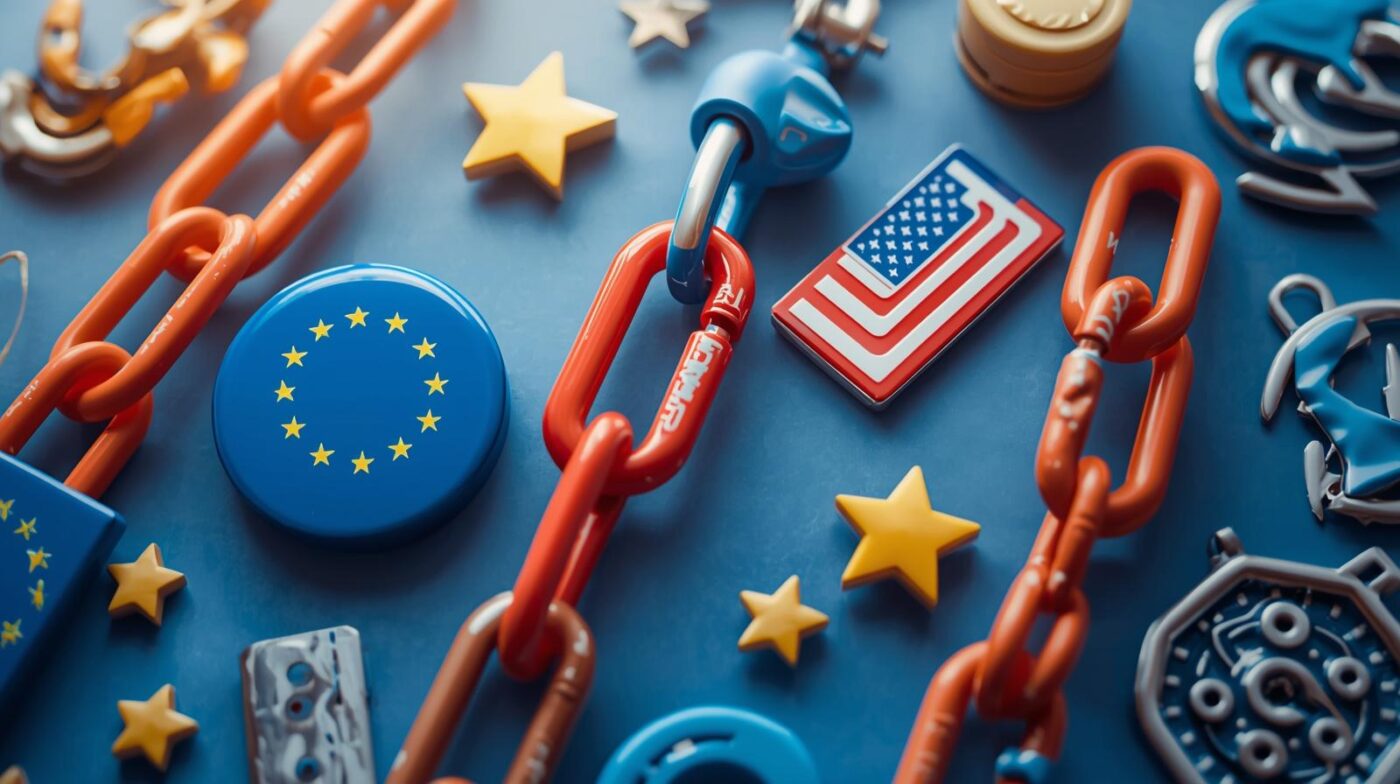


The European Union built a weapon to counter economic coercion from major powers.
It has never been fired.
Now, because of Greenland, the EU might use it against the United States for the first time. The irony is sharp: America was one of the countries this instrument was designed to deter.
I’ve been tracking the Anti-Coercion Instrument since December 2023. The tariff threat itself matters less than the structural shift in how the EU responds to pressure.
This is the mechanism worth watching.
The Instrument Nobody Has Tested Yet
The Anti-Coercion Instrument gives the EU the power to shut off access to 500 million consumers.
The EU limits trade licenses, blocks public procurement tenders, and cuts American services out of the European market entirely. For US companies operating in Europe, this isn’t a tariff adjustment. This is market exclusion.
The ACI was adopted in November 2023. It became operational on December 27, 2023. Since then, it’s sat unused.
Until now, the threat has been theoretical.
The US tariff threat over Greenland creates the first real test case. If Trump follows through on his February 1 deadline, the EU faces a decision: activate the instrument or accept economic coercion works.
The EU doesn’t want to set this precedent.
How the Mechanism Works
Here’s the structure:
Step 1: Trigger identification
A member state or the European Commission raises the question of coercion. The threshold is simple: did a third country use economic measures to force a policy change?
Step 2: Assessment window
The European Commission has four months to investigate. They assess the intent, the impact, and whether the measure qualifies as coercion under the instrument’s definition.
Step 3: Qualified majority vote
After the assessment, EU member states vote. This is where the architecture changes everything.
Traditional trade votes require unanimity. A single country blocks action.
The ACI removes veto power.
It requires only a qualified majority: 55% of member states representing 65% of the EU’s population. No single nation prevents retaliation.
Step 4: Countermeasures deployment
If the vote passes, the EU deploys trade restrictions, investment barriers, and procurement exclusions. The response is proportional but broad.
The entire process spans four to six months. The timeline signals credibility. This isn’t ad hoc retaliation. This is structured economic defense.
The Internal Split Weakening the Response
France wants to activate the ACI immediately.
Germany doesn’t.
This split isn’t new. France has pushed for European strategic autonomy for years. Germany prioritizes transatlantic stability. The difference in approach creates friction at the worst moment.
French President Emmanuel Macron views the tariff threat as a test of European sovereignty. His position: if the EU doesn’t respond forcefully, it shows weakness to every other major power watching.
Germany fears damaging the relationship with the US. Chancellor Olaf Scholz’s government worries about escalation, especially with American security guarantees still underpinning European defense.
The qualified majority rule means France doesn’t need Germany’s agreement to move forward. Without German support, the political signal weakens.
A divided response reduces deterrence value.
The mechanism works. The question is whether political will exists to use it.
The €93 Billion Package Already Built
The EU isn’t starting from zero.
Last summer, the EU prepared a €93 billion retaliation package targeting US products. The package included 30% tariffs on cars, poultry, and industrial goods.
The EU shelved it when the trade deal was agreed.
The EU revives this package under the ACI framework. The work is done. The targets are identified. The economic impact is modeled.
This isn’t a bluff requiring months of preparation. The EU moves quickly once the decision is made.
The real question is timing.
Midterm Elections as Leverage
The EU is watching the US political calendar.
If the EU deploys retaliatory tariffs now, the economic impact hits American companies and consumers ahead of the midterm elections. Republicans risk losing control of the House and Senate.
Domestic political pressure becomes leverage.
The EU doesn’t need to win a trade war. It needs to create enough economic pain to change Trump’s political calculus. Voters notice price increases. Businesses notice lost contracts.
The timing matters because the pain needs to arrive before the election.
If Trump believes the tariffs will cost him congressional support, the threat loses value. If he believes he absorbs the political cost, the EU’s leverage weakens.
This isn’t economics. This is political pressure translated into trade policy.
What Founders Should Watch
If you operate in transatlantic trade, this isn’t background noise.
Here’s what changes if the ACI activates:
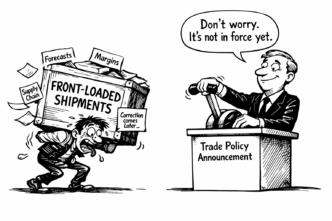
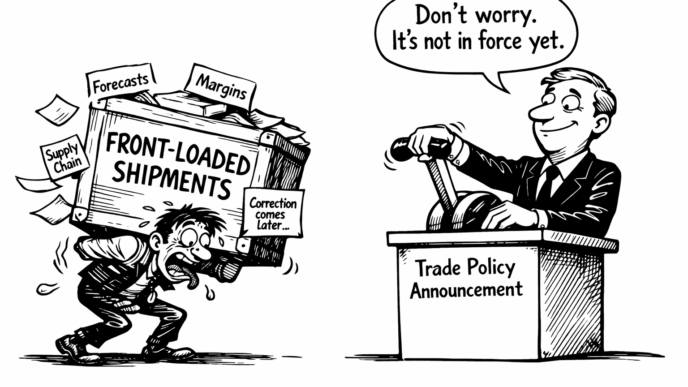
Supply chain disruption
Tariffs and trade restrictions create cost volatility. If your business depends on predictable pricing from US or EU suppliers, predictability disappears. Plan for margin compression.
Procurement access
EU public procurement represents a significant revenue source for American companies. If the ACI blocks access to tenders, the revenue stream closes. If you bid on EU contracts, prepare for exclusion scenarios.
Regulatory divergence acceleration
Trade conflict accelerates regulatory separation. The EU prioritizes European suppliers and standards. If you operate in both markets, compliance costs increase as the systems drift apart.
Payment and currency risk
Trade wars create currency volatility. If your contracts are denominated in euros or dollars, exchange rate swings can erase margin. Hedge or accept the exposure.
Reputational alignment pressure
Companies with significant EU operations face pressure to distance themselves from US policy positions. If your brand is tied to American identity, this becomes a liability in European markets.
The control point is simple: stress-test your exposure now.
Model what happens if tariffs increase by 30%. Model what happens if EU procurement access disappears. Model what happens if regulatory alignment costs double.
If the numbers break your business, you don’t have a trade strategy. You have a dependency.
The Broader Signal
The ACI isn’t only about tariffs.
It signals a structural shift in how the EU views economic sovereignty. For decades, the EU relied on diplomatic pressure and WTO mechanisms to resolve trade disputes. Those tools moved slowly and delivered weak outcomes.
The ACI is fast and punitive.
If the EU uses it successfully against the US, every other major economy takes note. China, India, and the UK will recalibrate their approach to EU trade negotiations.
The instrument changes the cost of economic coercion. It makes threats more expensive and less predictable.
For founders, the era of stable transatlantic trade assumptions is ending. The EU is building tools to act independently. The US is using tariffs as foreign policy.
Your business operates in the space between those two positions.
You control your exposure, not the politics.
What Happens Next
The EU has three options:
Option 1: Activate the ACI
This sends the strongest signal but risks escalation. If the US retaliates further, the trade conflict expands. The EU must prepare to absorb economic pain to maintain credibility.
Option 2: Suspend the EU-US trade deal
This is a middle option. It creates economic consequences without deploying the full ACI framework. It shows displeasure without triggering maximum retaliation.
Option 3: Negotiate and delay
The EU continues diplomatic engagement while preparing the ACI in the background. This buys time but risks looking weak if Trump doesn’t back down.
My read: the EU chooses Option 1 if Trump follows through on February 1.
The political cost of inaction is too high. If the EU doesn’t respond, it shows economic coercion works. This precedent is more dangerous than a trade war.
France pushes hard. Germany resists but ultimately aligns. The qualified majority passes.
The ACI fires for the first time.
The transatlantic trade environment you’ve relied on won’t return.
Structure your exposure before the vote happens. Once the instrument activates, the adjustment window closes.