Dutch hospitality growth is thin, and 2026 turns VAT, wages and cash records into daily business questions.
On a Tuesday afternoon, after lunch but before the first evening tables, a café owner prints the till report. Card payments look healthy. The weekend was full. The terrace did its work. Yet the bank balance still feels tight. The wage run is near. The beer supplier wants payment. The bookkeeper asks about VAT codes again.
Proof now opens the door
That is the shape behind the latest hospitality figures. CBS says turnover in the first quarter of 2026 was 2.2 percent higher than a year earlier. It was the twentieth quarter of growth in a row. It was also the smallest increase in five years.
I read that combination as a warning against easy comfort. Turnover matters, but it does not explain margin, cash, tax returns or Sunday-night sleep. Hospitality money passes through rates, rosters and small exceptions. Sales alone are a poor final judge.
Growth that does not feel like air
Food and drink services grew by 2.3 percent. Accommodation grew by 1.9 percent. Fastfood rose 3.8 percent. Restaurants grew 1.6 percent, cafés 1.3 percent, hotels only 0.4 percent, while other accommodation, including campsites and holiday parks, grew 5.5 percent.
Those are not collapse numbers. They are not celebration numbers either. Hospitality entrepreneur confidence fell from -12.0 at the start of the first quarter to -30.1 at the start of the second. Consumer confidence was -46 in May, far below the twenty-year average of -11.
Then come prices. CBS put May inflation at 3.5 percent in its quick estimate. Services prices were 4.7 percent higher than a year earlier. Energy including motor fuels was 9.9 percent higher. A small owner does not pay average inflation. She pays the invoice on the table, the hourly wage in the roster and the rent in the contract.
Where compliance enters the dining room
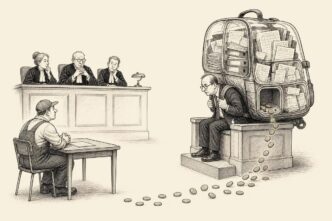
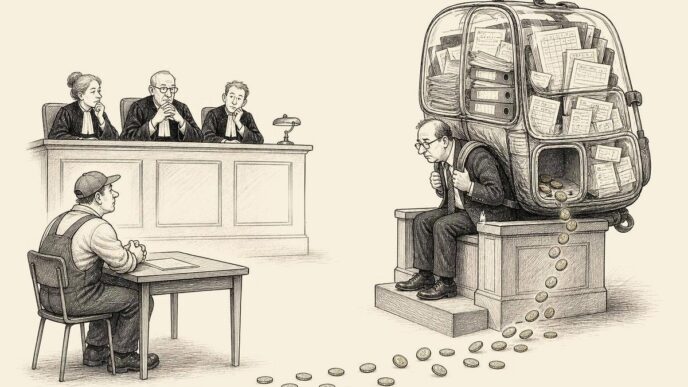
This is where a growth story turns into a control story. A restaurant bill may contain food, alcohol, a discount, a deposit, a voucher, a no-show fee or a package price. The till has to know what happened. The bookkeeping has to follow the till. The VAT return has to follow the bookkeeping, not the memory of a busy Saturday.
Wages, hours and work identity
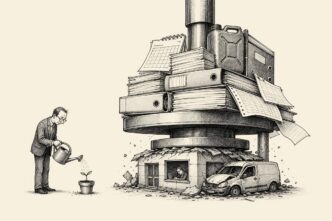
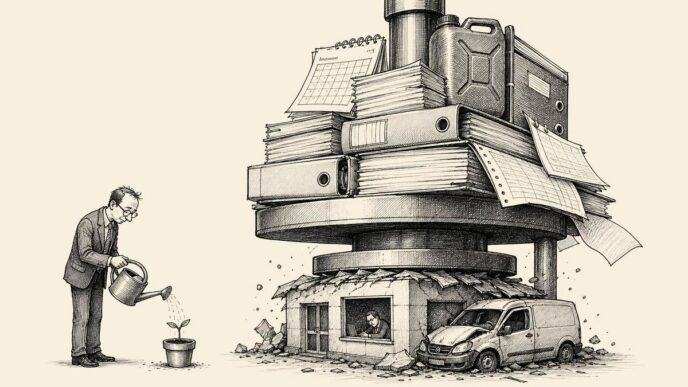
Accommodation has a sharper 2026 point. From 1 January, lodging is taxed at 21 percent VAT. Separate facilities such as breakfast or access to a swimming pool can still fall under 9 percent. For an all-in price, the fee has to be split by the market values of the separate performances.
That sounds technical until it reaches the booking engine. A hotel weekend, a holiday park package or a campsite arrangement can contain lodging, breakfast, cleaning, access, food, entertainment and local charges. If the system treats the package as one simple sale, the margin may be wrong before the guest even arrives.
Drinks carry the same lesson. Alcoholic drinks fall under 21 percent VAT. Non-alcoholic and low-alcohol drinks can fall under 9 percent, subject to the Belastingdienst thresholds and mixed-drink rules. A wine pairing, cocktail package or all-in event is not only a menu choice. It is also a rate choice.
Wages, rosters and the young workforce
The other pressure sits in the roster. CBS reported 27,000 hospitality vacancies in the first quarter, up by more than 1,000 from the previous quarter, while national vacancies fell. UWV says almost 60 percent of Dutch hospitality workers are aged 15 to 25. That makes the sector fast, flexible and fragile.
The statutory minimum hourly wage for workers aged 21 and older is €14.71 from January 2026 and rises to €14.99 from 1 July. Younger workers still sit in age brackets. So do actual hours, breaks, sickness, holiday allowance and bank payments. The payroll record has to match the life of the shift.
The Nederlandse Arbeidsinspectie showed the practical edge in April, when it reported a Leiden restaurant closure for one month after repeated serious wage breaches, with a €36,500 fine under the minimum wage rules and other breaches. One detail matters for every employer: the inspectorate said supplied data did not match statements, so it could not check whether the worker had been paid enough.
The small employer risk
That is not only a lesson for bad actors. It is a lesson for busy owners. When records do not explain the work, good intentions have little room to speak.
Back to the counter
Return to the café owner with the till report. The useful question is not whether the turnover line is higher. It is whether she can explain why the higher line did or did not become cash. Sales by VAT rate. Wage percentage. Labour hours. Stock loss. Card settlements. Platform fees. Supplier arrears. Upcoming VAT. Upcoming payroll.
None of this needs a thick board pack. A small hospitality business needs a small set of numbers that tell the truth quickly. If Saturday was busy but cash is tight, the owner should be able to see whether the money went to wages, waste, VAT, purchasing, fees, debt, discounts or delayed receipts.
Belastingdienst makes the same point from the tax side. Hospitality entrepreneurs have a specific administration check because the sector produces many small records. Proper administration is legally required. If records are incomplete, the tax authority may determine turnover, profit and tax due itself. After that, the entrepreneur has to prove the calculation is wrong.
A calmer reading of a harder year
The bankruptcy picture also deserves balance. CBS reported that hospitality had a bankruptcy rate of 20.1 per 100,000 businesses in April 2026, down from 31.0 a year earlier, but still among the higher sector rates. So this is not a collapse story. It is a discipline story.
For the owner, the answer is not panic. It is a tighter weekly conversation with the numbers. Do the till and bank match? Do VAT codes match the menu and packages? Does the payroll show the real hours? Does the price still carry the wage, energy, tax and supplier cost?
Dutch hospitality is still selling. That matters. But in 2026, the stronger business is not the one with the loudest revenue line. It is the one that can explain the journey from the customer’s bill to the owner's cash, with enough evidence to satisfy the bookkeeper, the tax authority, the inspector and, most importantly, the owner herself.
Sources
Referenced in the article
Column | Ledger &Amp; Tax
Alcohol Inside Dutch Packages Can Cut the Margin Quietly
The official rate is already 21 percent, but bundled drinks ask sharper questions of price, till.
Column | Market Pulse
Fewer Dutch Bankruptcies, but Payment Pressure Still Needs Attention
April's CBS figures show fewer court failures. Closures, cautious consumers and sector stress still leave.
The Polder is written for readers who need the Dutch business environment translated into practical meaning. Corrections, source policy and editorial accountability are part of the publication record.