



The Netherlands still trusts order, but this week asked business owners to prove their calm before the pressure arrives.
A country that trusts the prepared
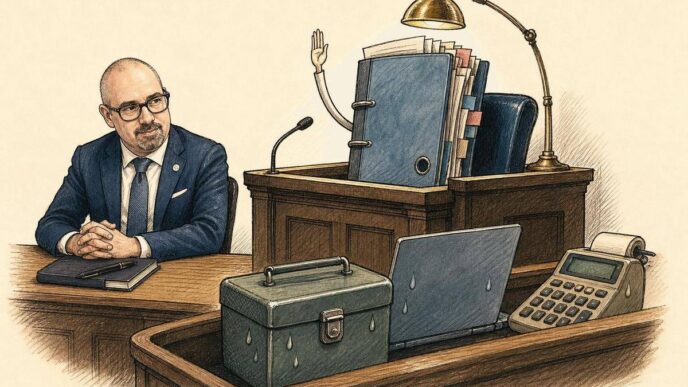
By Friday evening, I did not carry the week as a list. I carried one picture: a business owner at the desk after closing, with the till counted, the roster open, a payment waiting for one more check and a plan whose date may still move. It is not drama. It is the ordinary Dutch business desk when order asks for a better explanation.
I am not Dutch, and maybe that helps me respect the system without disappearing inside its habits. Dutch logic has a beauty when it works: a rule, a date, a shared explanation, a decision other people can understand. It is clean because it tries to be fair. This week, however, that cleanliness asked for more. Trust is still offered, but the owner must now be ready to explain why the business moved when it moved.
That is not a small cultural shift. It changes the emotional contract between the company and the country around it. The owner is still free to decide, but the decision needs a trail before anyone asks for it. I like that discipline when it protects fairness. I worry about it when small firms discover the discipline only after cash is tight, a customer has vanished or a worker asks a question the file cannot answer.
The market spoke quietly
I do not read the week as crisis. I read it as pressure below a calm surface, the kind a market analyst learns to notice before it becomes visible in the headline. Costs enter the company in different ways: energy, wages, rent, services, materials and hours. A restaurant can be busier and still have less room, while a contractor with future demand can still run short before the work becomes cash.
That is the market signal beneath the surface: the general story can look stable while the individual decision becomes sharper. Did the owner lift prices early enough? Did the buyer protect cash? Did the company understand which cost had become permanent? For me, that is where governance starts. Not in a board paper, but at the table where an owner decides which pain can be delayed and which pain must be faced now.
I have learned to read markets partly through numbers and partly through hesitation. When owners delay price decisions, when customers stretch payment, when suppliers ask for certainty earlier, the market is already speaking. It may not be shouting, but it is changing the cost of being late. A week like this asks business readers to look not only at growth or inflation, but at the quality of the decisions hidden between them.
Trust is moving to the transaction
The same thought sat inside the warnings about fraud and counterparty checks. I do not see that only as a technology problem. I see it as a test of business rhythm. A changed bank number arrives, a supplier is in a hurry, the customer looks credible and the payment is easy to approve because everyone wants the day to finish. Risk likes those moments because they feel ordinary.
The answer is not paranoia. It is a saved check, a second call, a name matched before money leaves. Dutch trust was built on recognisable parties; digital trade weakens that recognition, so the transaction needs a trace. The wage story made the same point with people instead of payments. When a company says hours, rates and corrections were handled properly, it needs more than memory.
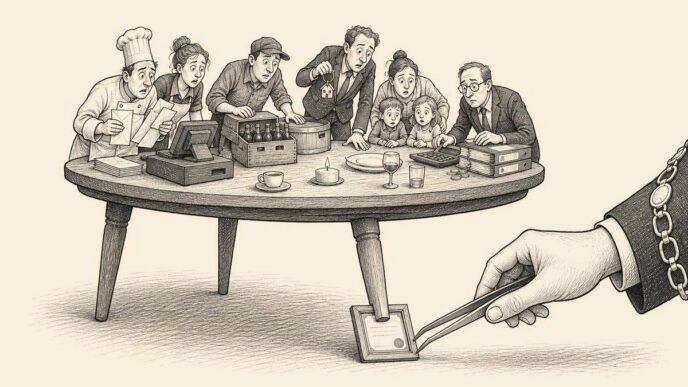
This is why I keep returning to the transaction desk. It is where governance becomes physical. A payment button, a roster correction, a customer approval, a price exception: these are small actions, but each one can later become the place where trust either stands or collapses. The larger company can divide those actions across departments. The small company often has one person doing them between calls, deliveries and unpaid invoices.
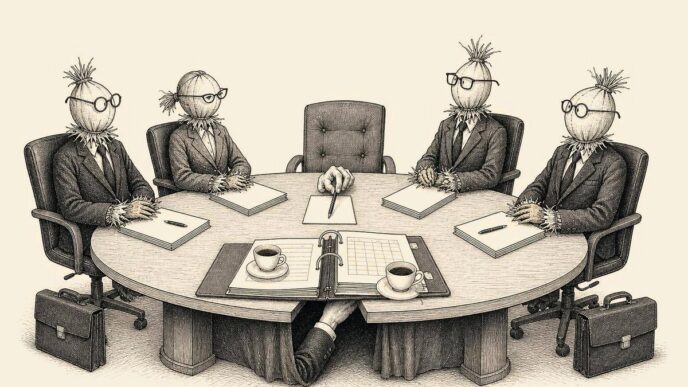
I have seen this at business tables for years. The dispute starts with facts, then quickly becomes character: was the owner careless, had the adviser arrived late, was the manager hiding something? Often the truth is smaller and more human. The business was busy, and the decision stayed in someone's head. The Netherlands is becoming less patient with that kind of invisible memory.
That impatience can be healthy. It can also be dangerous if we pretend every owner has the same machinery behind the desk. A serious entrepreneur should not ask for lower standards, but the system should understand where standards become work. The real question is not whether records matter. They do. The question is whether the daily rhythm of a small firm makes those records possible before the argument begins.
Time has become governance
Housing gave the week a different form of the same question. A plan can be sound and still arrive late for the company that needs cash now. That matters to more than developers. An installer, a supplier, a landlord, a local shop and a lender all live inside the gap between approval and work. Rent continues, staff need hours, materials have a price and the bank wants dates.
This is why timing is not a soft instinct. It is governance. If a company hires too early, the plan may be right and the business still weak. If it waits too long, the opportunity disappears. There is no formula that saves an owner from judgment. That is the hard part, and also the honest part. Good business is not only knowing the rule. It is knowing when the rule will touch cash.
I have won and lost enough in business to distrust elegant plans that ignore timing. A delayed approval, a slow buyer or a late payment can turn a correct decision into a fragile one. That is why I do not separate governance from cash. The minute a decision creates a bill, a wage obligation or a promise to a customer, it has left the policy page and entered the owner's responsibility.
A promise needs an owner
The ZuivelNL ruling stayed with me because it made a public promise operational. Once a commitment becomes binding, it stops being language. Someone has to carry it. That is the adult version of Dutch trust: not trust as softness, but trust as a decision that can be followed by another person later.
Here my outsider respect becomes a warning. The Netherlands works because it believes in explanation, but explanation costs attention. Small firms can carry that burden only if they build it into normal work, not after a dispute starts. I do not see a country turning against entrepreneurs. I see a country asking them to become more precise. That demand is fair. It is also heavy.
A promise without an owner is not a promise. It is atmosphere. That may sound hard, but business needs that hardness sometimes. If the company says it will pay, deliver, correct, protect or report something, someone must know what follows on Monday morning. The Dutch instinct for shared rules only works when the promise can travel from principle to practice without losing its address.
What I would keep from this week
The thought I carry into the weekend is simple: in the Netherlands, trust is still generous, but it is less forgiving of vague business memory. The owner who understands this will ask earlier which decision needs a name, which payment needs a check, which price needs courage, which promise needs an owner and which date the business can survive.
That is not cold administration. It is the practical form of responsibility. It is also the Dutch logic I have learned to respect: if a decision can be shared, it can be defended. By Monday morning, the best firms will not look more bureaucratic. They will look calmer, because the file will not be the personality of the business. It will be the place where judgment leaves a trace.
The Polder is written for readers who need the Dutch business environment translated into practical meaning. Corrections, source policy and editorial accountability are part of the publication record.