From July 2026, small consignments will demand sharper customs records from Dutch traders.
A small parcel can look harmless. It arrives quickly, the invoice is modest, the customer has already paid, and the margin seems clear enough to move on. For many small traders, that rhythm has made low-value imports feel more like logistics than customs compliance.
That comfort is disappearing.
The signal has to become readable
Dutch Customs has placed e-commerce, sanctions supervision, excise fraud and subversive crime among the forces stretching its work. Its 2026 annual plan also points to the reform of the Union Customs Code, a more data-driven customs system, an EU Customs Data Hub, and new digital tools inside Customs itself. The border is not only a gate anymore. It is a data environment.
The most immediate commercial signal is simple. From 1 July 2026, the EU abolishes the import-duty exemption for goods under €150. A European handling fee for e-commerce consignments is also expected, at the earliest from November 2026. For a small Dutch importer, marketplace seller or niche web shop, this is not a distant Brussels detail. It changes the way price, proof and responsibility sit inside the business.
The small parcel is no longer small
Imagine a Rotterdam web shop selling accessories bought from a non-EU supplier. One item costs €38 at purchase, ships cheaply, and sells fast through a platform. Until now, the under-€150 duty exemption could make customs duty feel secondary, even when the import declaration still required correct data. The owner watched purchase price, shipping, platform fees, VAT treatment and return risk. Customs classification sat somewhere in the background.
From July, that same item asks a sharper question. What is the landed cost after duty, declaration handling, possible corrections, and the time needed to prove what the product is? A product description such as “parts” or “accessories” may be enough for a hurried commercial conversation, but it is not a reliable customs record. The customs code, customs value, origin, supplier invoice, transport route and sales model start to matter together.
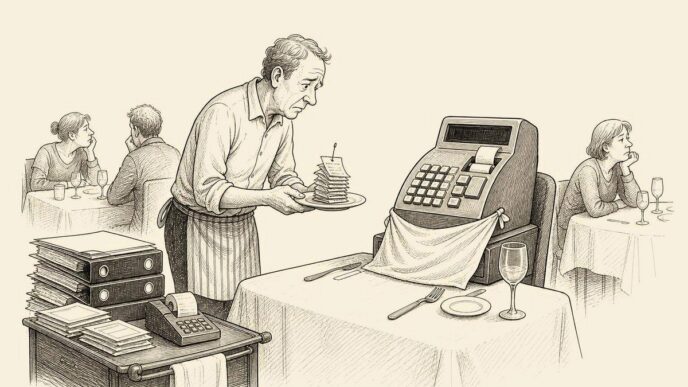
This is where small companies often feel the change first. Not in a courtroom. Not in a policy paper. In the margin calculation on a product that used to work.
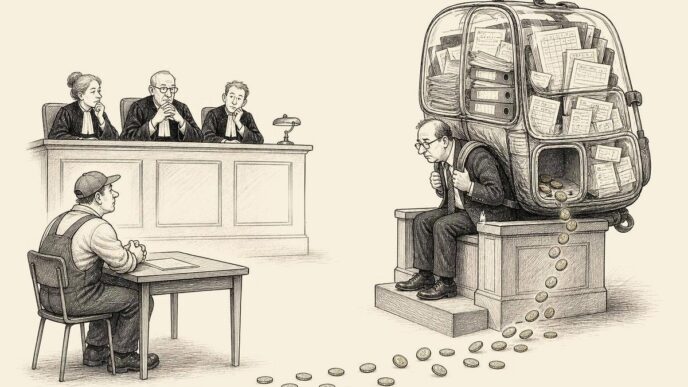
The duty may be small on one parcel. Across hundreds or thousands of parcels, the arithmetic changes. A few percentage points of duty, an extra handling charge, a correction after release, or a return flow that was not properly documented can move a product from profitable to irritating. For low-margin e-commerce, compliance is not a separate department. It is part of pricing.
Data will replace the friendly story
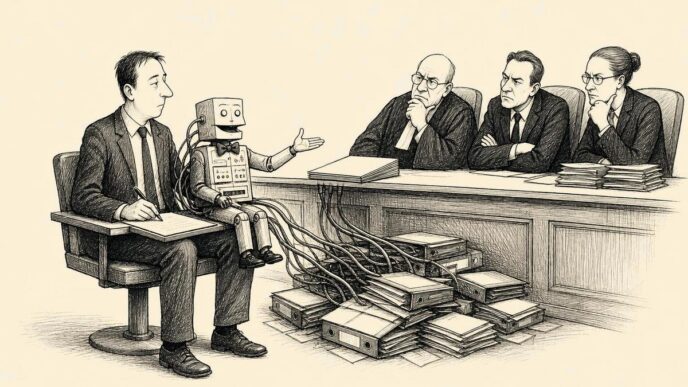
Customs has said it is moving toward sharper, risk-based supervision and more data-driven work. That matters because many import stories still rely on informal trust. The supplier says the goods are low value. The courier processes the parcel. The platform confirms the sale. The bookkeeper sees an invoice and a payment. Everyone has a piece of the truth, but no one may hold the full customs picture.
A data-driven customs system is less interested in the friendly story around the parcel. It asks whether the data fits. Does the product description match the classification? Does the declared value make sense? Is the origin credible? Is the route clean? Are sanctions-sensitive goods, places or counterparties involved? Can the import VAT position be connected to the purchase record and the sales ledger?
What the signal changes
For a small business, this does not mean panic. It means the old habit of treating customs as a courier problem is weaker than before.
I read the signal as a governance issue as much as a tax issue. Dutch Customs has three stated protection objectives: financial interests, society, and the competitive position of the Netherlands and the EU. That last objective is often overlooked. Better enforcement is not only about collecting money. It is also about making sure a compliant Dutch trader is not undercut by goods that enter with weak values, vague descriptions or broken paperwork.
That is the market reality behind the policy language. Cheap imports are not automatically unfair. Poorly evidenced imports are different. They transfer cost to the system and pressure to compliant competitors.
The representative is not a shield
Many small firms do not file customs declarations themselves. They rely on a forwarder, courier, platform arrangement or customs representative. That can be entirely normal. It is also where responsibility can become foggy.
If a declaration is corrected later, the practical question is rarely only who pressed the button. It is who supplied the product data, who accepted the supplier invoice, who decided the sales price, who agreed the delivery terms, and who carries the correction under the contract. A customs representative can process information, but weak information remains weak.
This is one of the most underestimated compliance points in small import businesses. The commercial contract, the customs declaration and the bookkeeping are often treated as separate worlds. They are not. When a correction arrives, they meet in one place: cash.
The sensible discipline is not theatrical. It is quiet and specific. Product master data should not contain only a selling name. It should also hold the customs classification logic, origin evidence where relevant, supplier identity, and the assumptions used for landed cost. Purchase invoices should be more than payment requests. They should support the customs story. Import documents should connect to stock, VAT records, sales and returns.
None of this needs to look like a large-company compliance machine. A small business can be disciplined without becoming slow. The point is to know which products carry customs sensitivity before the parcel arrives, not after a correction letter appears.
Simplification will reward prepared companies
The coming system is not only heavier. There is also a simplification path. Centralised Clearance is intended to let companies file declarations in one member state even when goods are located elsewhere in the EU. For mature importers, that can reduce fragmentation.
What founders should check
Yet simplification helps most when the underlying data is clean. Central filing does not repair weak classification, poor valuation or unclear importer responsibility. It may even make weak records more visible because more activity passes through one structured channel.
That is why I would not treat the July 2026 change as a single tax date. It is part of a larger movement. Customs is moving from parcel-by-parcel administration toward a system where data, risk selection and enforcement capacity are tied more closely together. The Auditdienst Rijk has also pointed to internal-control risks around large Customs money flows, including excise and customs duties. That reminds us that the government side is also tightening its own control environment.
When both sides of the border system become more data-conscious, vague trade habits have less room.
The practical question for the owner
For the owner-manager, the question is not whether customs law is familiar. The better question is whether the margin depends on customs assumptions.
If the answer is no, July 2026 deserves attention before the first corrected shipment. Which products are imported under €150? Which suppliers use vague descriptions? Which goods have uncertain origin? Which platform or logistics arrangement decides the importer position? Which records would prove the value if Customs asked for support six months later?
These are not dramatic questions. They are normal business-control questions. They protect margin, reduce disputes with suppliers and representatives, and make the ledger tell the same story as the border document.
The quiet shortcut for low-value imports is closing. That does not make small international trade unattractive. It makes careless international trade more expensive. The companies that adjust calmly will not only avoid unnecessary corrections. They will price better, contract better, and understand their own goods with more precision.
A parcel is still a parcel. From July 2026, it also carries a clearer question: does the business behind it know what it imported?
Sources
Referenced in the article
Column | Compliance
Customs Representation Ties Dutch Import Authority to Cash and Recovery
The name on the declaration can decide who faces duty, VAT pressure and recourse when an import.
Column | Ledger & Tax
The Lorry-Charge Discount Will Not Fix a Weak Road-Cost Ledger
A temporary Dutch rate cut gives transport-heavy firms breathing room, but July still asks a sharper.
Column | Human Resources
The First Contract Can Break the Dutch Expat Payroll Promise
A zero-hour start may be lawful, but it can still fail the 30% facility before the specialist.
The Polder is written for readers who need the Dutch business environment translated into practical meaning. Corrections, source policy and editorial accountability are part of the publication record.